
10 May 2026. The people have spoken, and Auckland Council would be wise to listen carefully.
An overwhelming rejection of the Mayor’s proposed 7.9 per cent average residential rates increase should serve as a wake-up call for anyone who still believes Rodney residents are quietly accepting the status quo.
The message from our communities was loud, clear, consistent: people are concerned about affordability, fairness, and whether Auckland Council is genuinely listening to outer areas like Rodney. 
Following the opportunity to provide feedback about the proposed rates increase, an unprecedented 90 per cent of Rodney’s people oppose it. That reflects growing frustration from ratepayers who feel they are continually being asked to pay more while receiving less in return. This reflects the same sentiment I hear at the ratepayer group meetings I regularly attend.
An average residential rates increase of 7.9 per cent represents the largest rates increase since the inception of the Super City in 2010, ie: in the last 16 years. This all at a time of a fuel crisis and soring living costs.
What stood out most was not simply opposition to rates increases themselves. Aucklanders understand that infrastructure costs money. Rodney residents know roads, water systems, river clearances, flood resilience, and transport investment all require funding. But many submitters were frustrated the entire rates increase was being directed toward operating the City Rail Link, when the outer rural-based communities will not receive any direct benefit. In other words, the rates increases are for running the CRL not for more spending back in our area – I will continue to battle to have our rates to be spent in our area, however, that does require the Mayor and the 20 Councillors to vote with me.
I share the concerns our communities have and I will continue advocating for a greater focus on building local infrastructure, improving drainage maintenance, changing the septic tank inspections from six monthly to three years, responsible spending, and ensuring the communities across Rodney receive a fair share back of the rates we pay.
Consenting costs still too often operate under a “cost-plus” mentality. People are deeply concerned about the lack of rates going into the Kumeu River mainteance for flood protection, the Hill Street intersection upgrade (Warkworth), the SH 16 bypass to relieve traffic congestion through Kumeu (although is a Government project not a Council funded project), or for passenger rail services to Huapai and Helensville. Auckland Council needs to stop wasting money and to get back to core services. These are the types of things I am fighting for so your rates get spent back in your area. 
For many residents, the daily reality remains potholes, unsafe roads, inadequate stormwater systems, unreliable public transport, and infrastructure struggling to keep pace with growth. Communities see billions being invested in the CBD while longstanding infrastructure issues in Rodney remain unresolved year after year. For example, not using more of the rural rates collected to improve the unsealed road network – another thing I am wrestling against other Councillors to achieve.
Even though the 7.9 per cent rates increase was signaled 18 months ago as part of the Council’s 10 year rates increase forecasts the consultation still highlighted growing anxiety from households already under financial pressure. Families, retirees, and residents on fixed incomes are increasingly asking where the limit is – that is, how much higher will the rates keep going. Many submitters argued that rates increases are outpacing income growth and placing unsustainable pressure on ordinary people already grappling with rising living costs, especially after the massive rate increases last year.
There is not a Capital Valuation (CV) revaluation of Auckland’s properties this year which resulted in the 20% to 40% rate increases many Rodney ratepayers experienced last year, however, Rodney’s ratepayers increases are still likely to be higher than the 7.9% average.
Importantly, the feedback was not all pessimistic. People want good community infrastructure built while receiving value for rates paid. I support reviewing the rating system, including increasing the Uniform Annual General Charge (UAGC), as a way to spread the burden more fairly across all Aucklanders while simultaneously helping lower rates for Rodney. 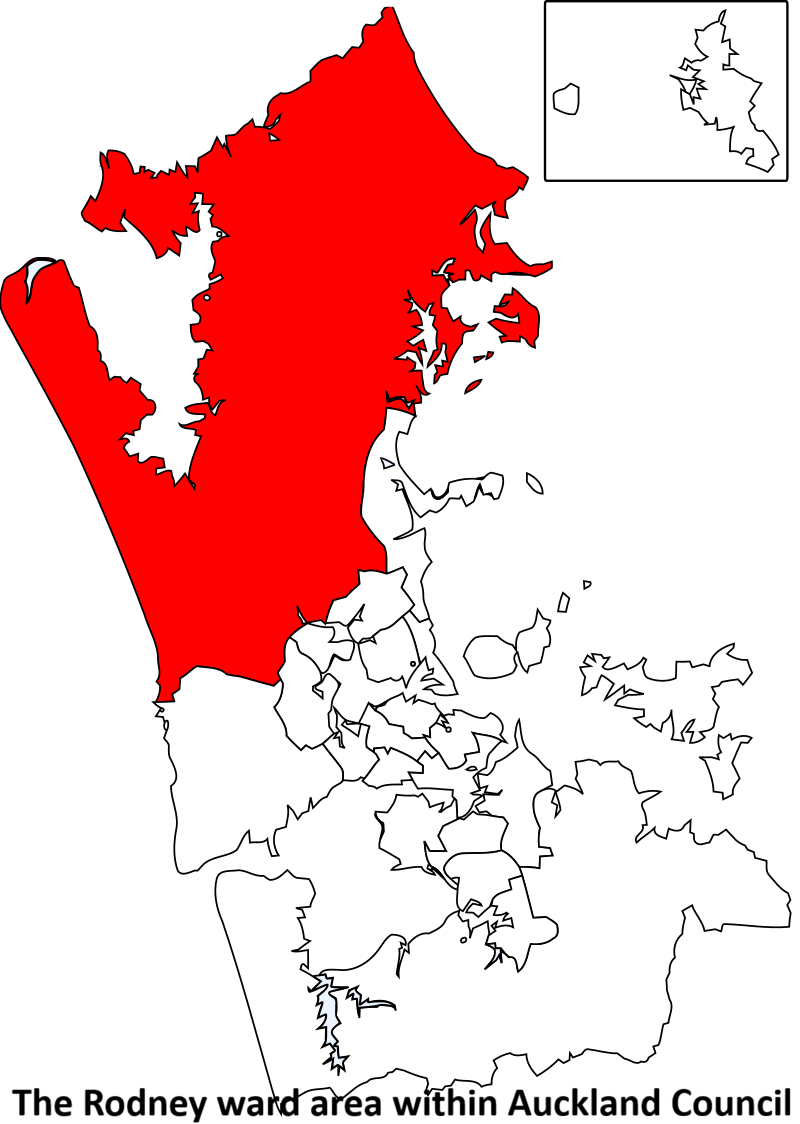
This should not become a debate between urban and rural Auckland. The Super City only succeeds when all parts of the region are functioning well. But if council wants public support for major regional investments, it must also demonstrate an equal commitment to delivering visible improvements for our local communities.
Rodney residents are not asking for special treatment. They are asking for fairness. This expectation is no longer coming from a vocal minority — it is becoming the dominant embedded sentiment across our communities.